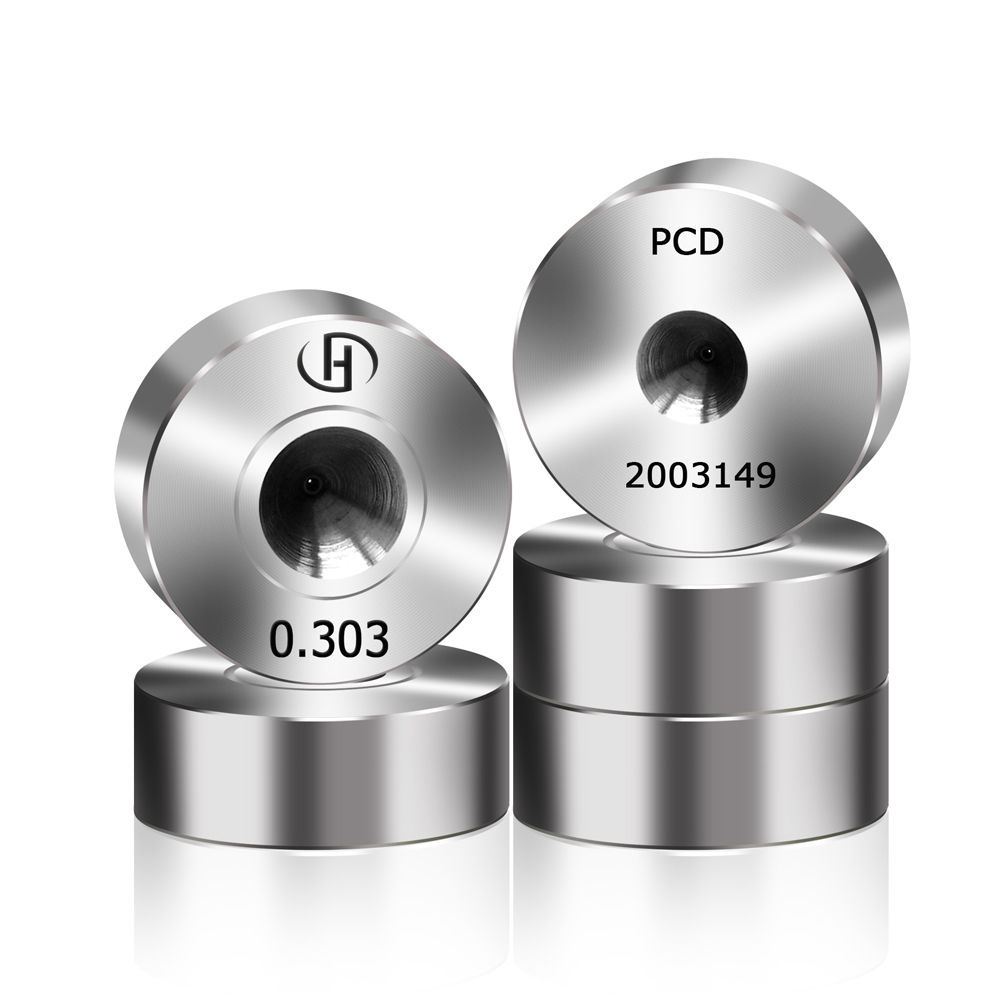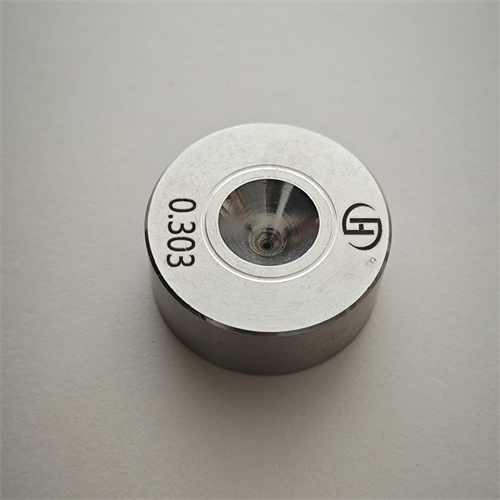
Wire drawing dies are critical components in the metalworking industry, used to reduce the diameter of wires while enhancing their surface finish. Among common die types, PCD wire drawing dies, Natural Diamond wire drawing dies, and Stainless Steel wire drawing dies are widely used for different applications. To ensure longevity and optimal performance, proper maintenance of these tools is essential. Below are actionable insights for maintaining each type effectively.
1. Maintenance Tips for PCD Wire Drawing Dies
PCD dies are known for their durability and resistance to wear, making them ideal for high-speed drawing of non-ferrous wires.
Regular Cleaning: After each use, remove residues (e.g., metal particles, lubricants) using ultrasonic cleaners or soft brushes. Avoid abrasive materials that may scratch the PCD surface.
Lubrication Management: Ensure proper lubrication during operation to minimize friction and heat buildup. Use coolants compatible with synthetic diamond materials.
Inspect for Edge Chipping: PCD dies are tough but can chip under extreme stress. Use magnification tools to check for micro-cracks or edge damage. Replace dies if flaws are detected.
Store in Dry Conditions: Exposure to moisture can weaken the carbide substrate supporting the PCD layer.
2. Caring for Natural Diamond Wire Drawing Dies
Natural diamond dies are prized for their precision in ultra-fine wire drawing. However, they are brittle and require meticulous handling.
Gentle Cleaning: Use non-corrosive solvents and lint-free cloths to clean the die bore. Avoid mechanical agitation to prevent accidental cracking.
Temperature Control: Natural diamonds are sensitive to thermal shock. Maintain stable operating temperatures and avoid abrupt cooling.
Avoid Overloading: These dies are not suited for high-tension drawing. Adhere to recommended reduction ratios to prevent premature failure.
Use Dedicated Dies per Material: Cross-contamination from different metals can scratch the diamond surface.
3. Maintenance Strategies for Stainless Steel Dies
Stainless steel dies are cost-effective for small-scale or low-precision applications but are prone to wear.
Frequent Polishing: Use diamond pastes or lapping compounds regularly to smooth the die bore and reduce surface roughness.
Anti-Corrosion Measures: Apply protective coatings or store dies in anti-rust solutions to combat oxidation caused by harsh lubricants or humidity.
Monitor Wear Patterns: Measure wire output dimensions consistently. Gradual increases in wire diameter indicate bore wear, necessitating reconditioning or replacement.
Optimize Lubricant Viscosity: Thick, high-viscosity lubricants reduce friction and extend die life in stainless steel models.
General Best Practices
Regular Inspections: All die types benefit from routine checks using microscopes or profile projectors to detect wear, ovality, or blockage.
Proper Storage: Use padded containers to protect dies from physical impact and environmental factors.
Training Operators: Educate staff on handling protocols, including alignment during installation and tension control during drawing.
Conclusion
Effective maintenance of wire drawing dies depends on understanding their material properties. While PCD dies demand careful temperature and debris management, natural diamond dies require gentle handling and material-specific use. Stainless steel dies, though less durable, can deliver cost efficiency with diligent polishing and corrosion prevention. By implementing these tailored strategies, manufacturers can prolong die lifespans, enhance wire quality, and reduce downtime. Invest in routine care to maximize ROI across all die types.