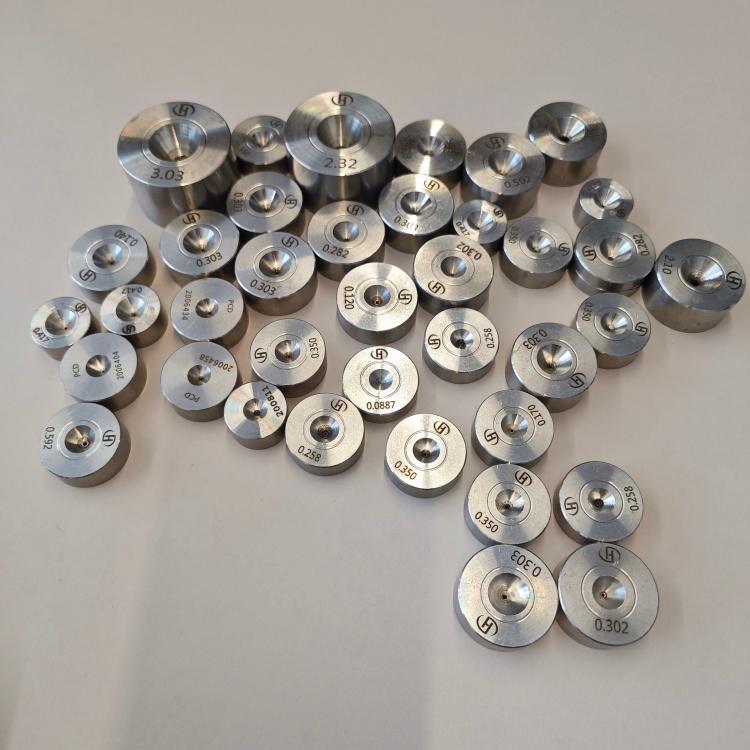
When choosing dies, prioritize compatibility with the wire material’s hardness and ductility. For softer metals like copper, carbide dies may suffice, but hard alloys require PCD’s superior durability. Inspect die geometry: taper angles and reduction ratios must align with target wire specifications to avoid work hardening or breakage.
Regular maintenance—cleaning debris, checking for micro-cracks, and recalibrating alignment—preserves die performance. Invest in quality dies to reduce scrap rates and energy consumption. By integrating these strategies, manufacturers achieve precise wire dimensions, extended die life, and consistent production quality—hallmarks of professional wire drawing operations. This approach balances cost-efficiency with technical excellence, ensuring sustainable competitiveness in the metals industry.