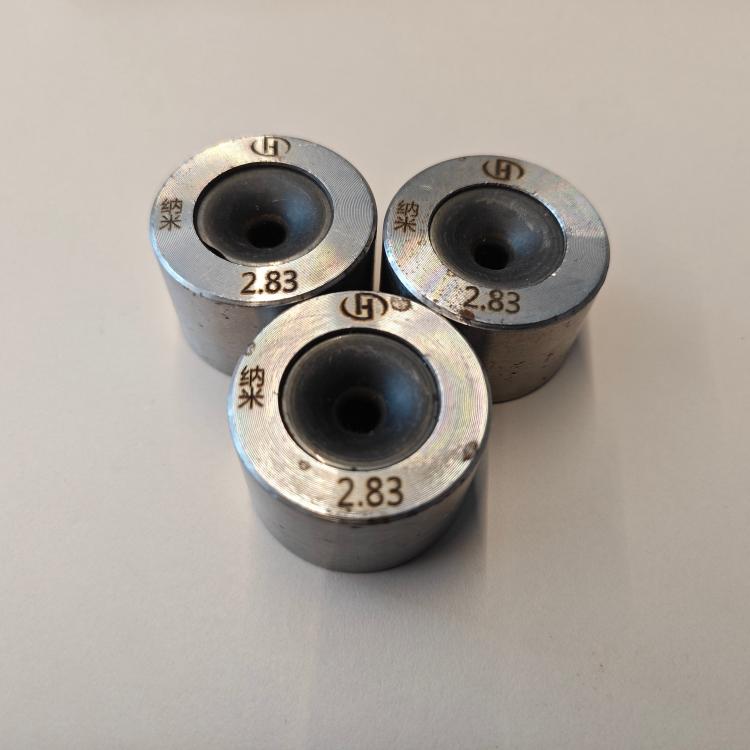
Complex shapes—such as multi-faceted wires for medical devices or aerospace components—require dies with optimized taper angles and polished surfaces to minimize friction and material deformation. Nano dies excel here due to their sub-micron surface finishes and consistent grain structure, reducing breakage risks. However, their effectiveness hinges on proper setup: precise alignment, controlled drawing speeds, and specialized lubricants to prevent galling.
Manufacturers like Sandvik and Sumitomo Electric highlight that while Nano dies outperform traditional tools in complexity handling, they demand rigorous maintenance and skilled operators. As industries push for miniaturization, Nano Wire Drawing Dies become indispensable, balancing precision with durability to meet evolving design demands.