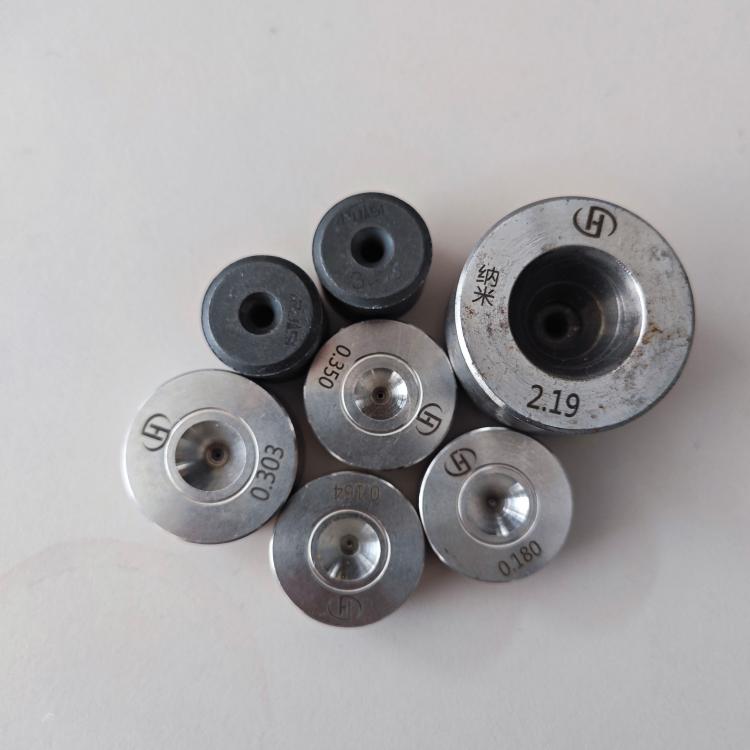
PCD Wire Drawing Dies, while harder than hard alloy, face limitations in cost and thermal conductivity. Hard alloy balances affordability with performance, ensuring consistent die life even under repetitive stress. Its microstructure resists deformation, preventing wire surface defects—a critical advantage for precision applications.
Industries favor hard alloy for Nickel Wire Drawing Dies because it minimizes downtime from die replacements. Unlike galvanized variants prone to flaking under mechanical stress, hard alloy maintains structural cohesion. PCD dies, though ideal for ultra-fine wires, require specialized handling and higher maintenance.
By selecting hard alloy, manufacturers optimize longevity and cost-efficiency without compromising wire quality, adhering to manual craftsmanship standards that prioritize reliability over automated solutions. This choice reflects decades of metallurgical refinement, ensuring each die meets rigorous industry benchmarks.