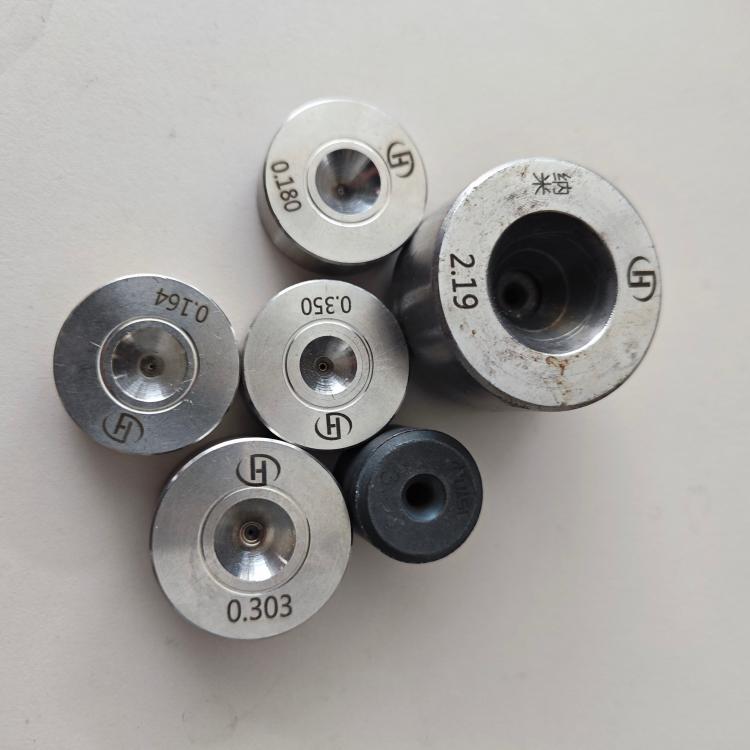
1. Enhanced Durability in Corrosive Environments
Stainless steel dies excel in harsh conditions where moisture or chemicals are present. Unlike standard tungsten carbide dies, which may corrode over time, stainless steel’s chromium-rich composition resists rust and pitting, ensuring consistent performance in marine or chemical processing applications.
2. Balanced Wear Resistance
While PCD dies offer unmatched hardness for drawing ultra-fine wires, stainless steel provides a cost-effective midpoint. It withstands abrasive stress better than softer metals, making it ideal for medium-scale wire production where extreme precision isn’t the sole priority.
3. Versatility in Wire Types
Stainless steel dies accommodate diverse materials—from copper and aluminum to high-strength alloys. This adaptability reduces the need for specialized tooling, streamlining production for manufacturers handling varied wire types.
4. Cost-Effective Solution
Compared to PCD dies, stainless steel offers a lower upfront investment without sacrificing longevity for many applications. While PCD minimizes wear in high-volume, fine-wire drawing, stainless steel’s balance of performance and affordability makes it a practical choice for mid-range production needs.
5. Ease of Maintenance
Stainless steel’s smooth surface resists adhesion, simplifying cleaning and reducing downtime. Unlike carbide dies, which may require frequent polishing, stainless steel maintains its finish longer, supporting efficient, uninterrupted operations.
In summary, stainless steel wire drawing dies combine corrosion resistance, adaptability, and economic value, making them a versatile workhorse for wire manufacturers. For specialized demands, PCD dies deliver unmatched hardness, while traditional carbide options suit basic needs. By aligning die material with specific production goals, manufacturers can optimize both quality and efficiency.