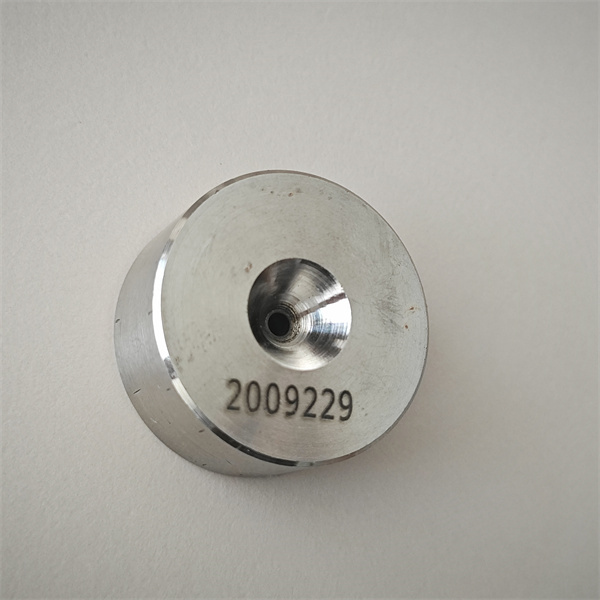
In the field of metal wire processing, the accuracy and durability of wire drawing molds directly affect production efficiency. PCD (Polycrystalline Diamond) wire drawing dies are becoming a key tool for enterprises to reduce costs and increase efficiency due to their material properties and process optimization.
Basic PCD wire drawing dies: Shortening downtime with wear resistance
Traditional hard alloy molds are prone to wear during high-speed drawing and require frequent shutdowns for replacement. The PCD mold adopts micron level diamond particle aggregation technology, with a hardness of HV8000 or above and a lifespan 5-10 times longer than that of hard alloys. A copper material enterprise's actual test shows that a single set of PCD molds can continuously pull 2000 kilometers of copper wire, and the mold change cycle has been reduced from 2 times per shift to 1 time per day, increasing equipment utilization by 35%. Its stable aperture retention ability also reduces the defect rate, indirectly saving rework time in subsequent processes.
High end PCD mold: composite process compression production cycle
For high-strength alloy wires, Premium PCD molds form a self-lubricating layer on the inner wall of the mold hole through nano coating and gradient sintering technology. A stainless steel drawing factory has provided feedback that the mold has increased the drawing speed by 20% and reduced the amount of lubricant used by 25%. The mirror polishing process further increases the surface roughness of the wire to Ra0.02 μ m, eliminating the need for secondary polishing and reducing the overall production cycle by 40%.
Special-shaped wire drawing dies: customized design to improve production capacity
Special shaped PCD molds can be customized with complex cross-sections such as trapezoidal and elliptical shapes. After adopting customized molds, the single drawing forming rate of a certain car seat belt wire production enterprise has jumped from 68% to 92%, and the waste wire processing time has been reduced by 70%. The stress relief groove design embedded in the mold extends the mold life by 40% and effectively supports continuous production needs.
Industry Application Trends
With the surge in demand for precision wire in new energy vehicles and electronic components, PCD wire drawing molds are evolving from a single tool to a comprehensive solution. Through technological innovations such as material formula adjustment and 3D printing molding, mold companies are developing adaptive compensation systems, which are expected to further reduce mold replacement and debugging time by 20%. For enterprises pursuing lean production, choosing the appropriate PCD mold is not only a cost issue, but also a strategic choice to seize market opportunities.