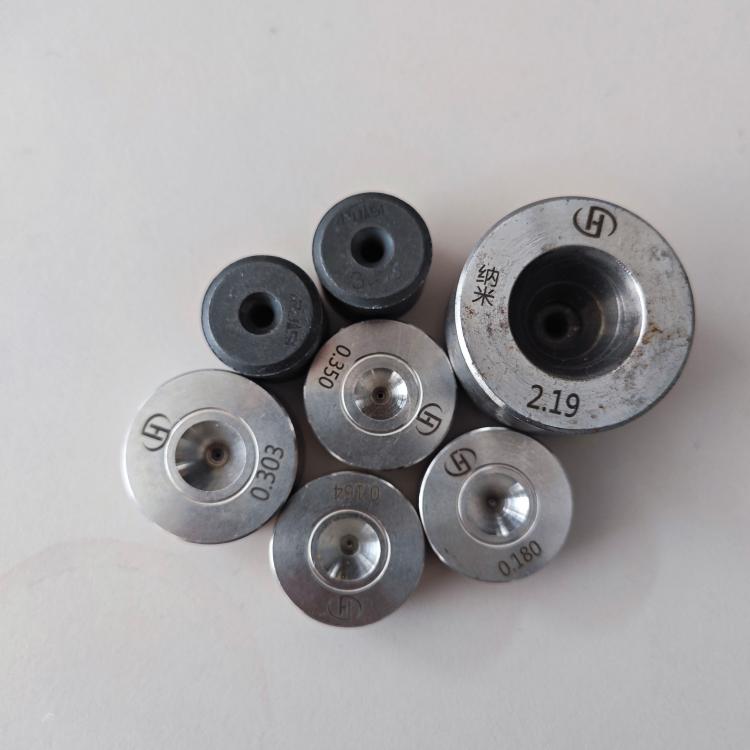
High-quality wire drawing dies are indispensable tools in precision metalworking, enabling the production of wires with exacting specifications for critical applications. These dies, typically crafted from tungsten carbide (TC), polycrystalline diamond (PCD), or natural diamond, ensure consistent diameter reduction and surface finish quality across metals like copper, stainless steel, aluminum, and nickel. Their role in industries such as aerospace, medical devices, and battery manufacturing is particularly notable.
PCD Wire Drawing Dies: Revolutionizing Non-Ferrous Metal Processing
Polycrystalline diamond (PCD) dies have emerged as a game-changer in non-ferrous wire production, including aluminum, copper, and their alloys. Their synthetic diamond composition provides exceptional wear resistance and thermal conductivity, minimizing die wear during high-speed drawing. This makes them ideal for applications like aerospace wiring harnesses, where lightweight yet durable conductors are essential. Additionally, PCD dies reduce lubrication requirements, enhancing cost-efficiency in mass production of electronic components such as connectors and coils.
Nickel Wire Drawing Dies: Enabling Advanced Energy Storage
Nickel, a cornerstone material in battery manufacturing, demands specialized dies to navigate its high tensile strength and work-hardening tendencies. High-quality nickel wire drawing dies incorporate advanced geometries, such as optimized entrance angles and extended bearing lengths, to mitigate cracking and ensure uniform elongation. These dies are pivotal in producing nickel grids for lithium-ion batteries, where micro-precision directly impacts energy density and cycle life. The growing demand for electric vehicles and grid storage systems further underscores their strategic importance.
Industry Synergy and Future Trajectories
The convergence of material innovation and die technology is reshaping manufacturing paradigms. For instance, PCD dies now facilitate ultra-fine wire drawing for medical devices like stents and neurostimulation leads, where biocompatibility and dimensional accuracy are non-negotiable. Meanwhile, advancements in nickel die design are accelerating the adoption of solid-state batteries, offering safer, higher-capacity energy solutions. As industries prioritize sustainability, recyclable die materials and lubricant-free processes are gaining traction, aligning production with global environmental goals.