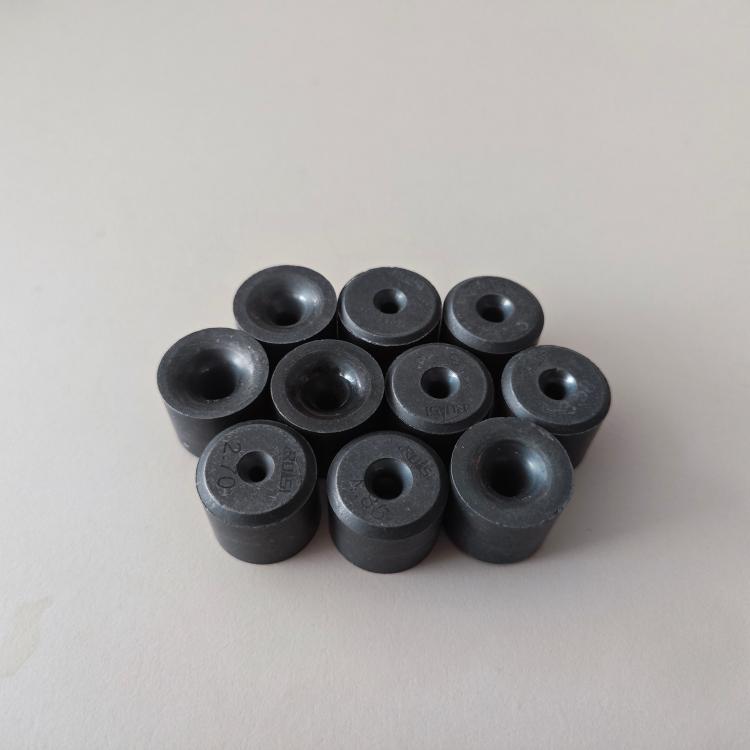
Wire drawing dies are critical components in metal processing, directly influencing product quality and operational efficiency. Among the primary die types, Natural Diamond Wire Drawing Dies excel in ultra-precision applications due to their exceptional hardness and wear resistance, while Tungsten Carbide Dies offer a cost-effective balance of durability and performance for high-volume production.
To maximize die lifespan and output consistency:
- Lubrication Management: Implement synthetic or emulsion-based lubricants to minimize friction and heat buildup, particularly for diamond dies operating at extreme tolerances.
- Temperature Control: For carbide dies, ensure cooling systems maintain optimal working temperatures (150-250°C) to prevent material deformation.
- Die Geometry Optimization: Regularly recalibrate entrance angles (typically 8-12° for carbide, 6-8° for diamond) to match wire material properties.
- Surface Inspection: Use non-destructive testing (eddy current or ultrasonic) to detect micro-cracks in carbide dies before they propagate.
Industry data shows proper maintenance can extend diamond die life by 40% and reduce carbide die replacement frequency by 25%. Advanced coating technologies, such as titanium nitride for carbide dies, now enable 15-20% faster drawing speeds without compromising surface finish. Manufacturers are increasingly adopting IoT-enabled die monitoring systems to track wear patterns in real time, achieving 98% uptime in modern wire drawing operations.
This proactive approach to die management ensures consistent wire quality while reducing total cost of ownership across automotive, construction, and electronics industries.